By a staff member
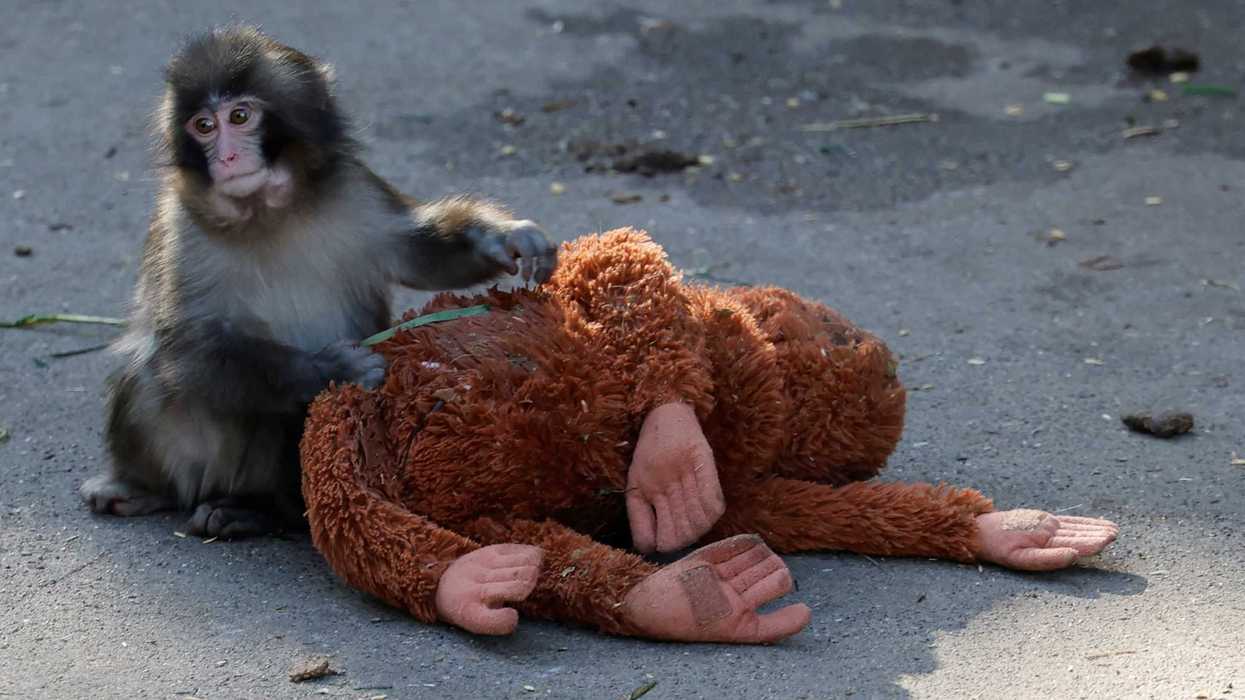
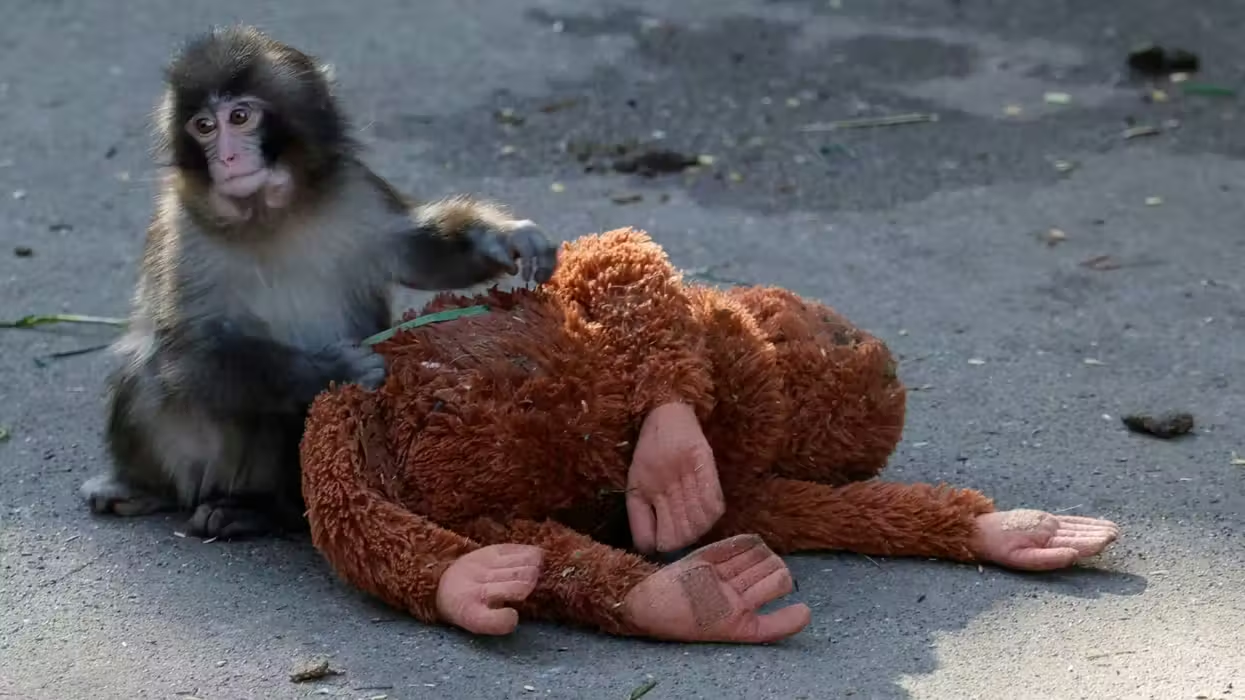
Over the years, social media has truly changed what it means to have a voice or opinion. Evolving from a platform to connect with friends and family over shared images and texts, it has gradually become much bigger. It has now become a platform where people from different parts of the world, from different professions, age groups, and backgrounds can come together, form communities (like on Reddit, Instagram, and Twitter). Apart from just forming like-minded groups, there have also been moments of “virality” (like Punch from Ichikawa Zoo). Suddenly making people become household names overnight. This is true for Punch the monkey, Moo Deng the hippo, and so many more.
And it is not just limited to trends. In the past years, the world has lurched from one crisis to another, the deaths leading to the BLM movement, genocide in Gaza, Sudan, Congo, the Russian attack on Ukraine, the leaking of the Epstein files, Anti-migration policies in the EU, a complete breakdown of several laws here in India, and so much more. Young people who grew up with social media and perhaps form one of the largest demographics using social media, have come to use their platforms to say, “we see this”, “we want accountability”, and “we won’t shut up about it till we have answers.”
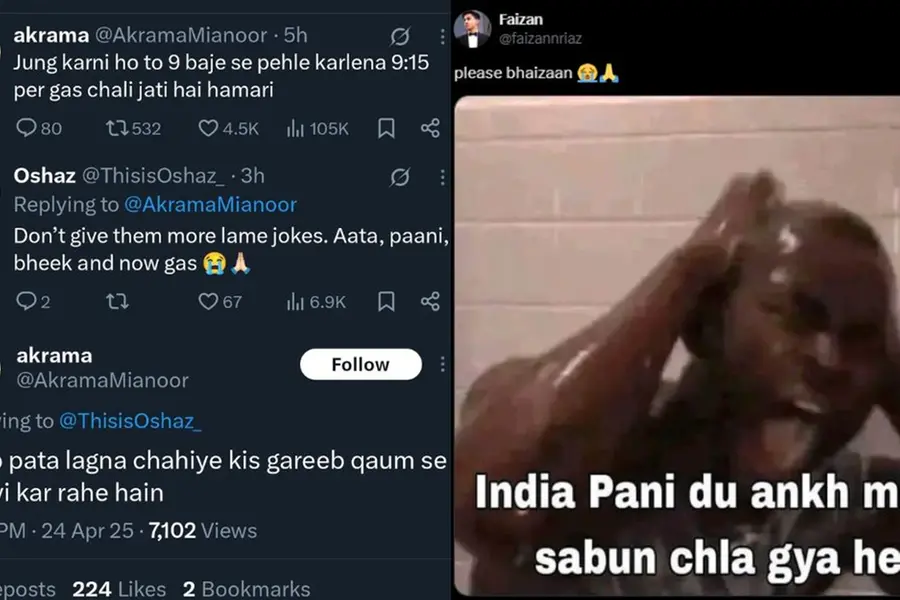
Gen Z has used social media to create real momentum. Climate protests get organised by online connections, satire, and reels have become tools for protest. During the Nepal political protests and upheaval last year, several young protesters remained online, sharing their message via jokes despite precarious situations. Our neighbours in Pakistan also took to the keyboards when the Indian government suddenly cut off Jhelum water and the consequent conflict at the border. Many pointed out the irony of having to attend exams during such uncertain times.
But it is important to point out that as the voices grew, so did some strong violence against them. Stalking, coordinated hate campaigns, threats, misinformation, and a type of moral policing that had little to do with accountability and more about control. Threats to creators, FIRs, and vandalism started showing up in their actual lives. The screen was never as much of a barrier as we thought.
And when AI entered the scene, it only made matters worse. Making mass-produced deepfakes and misinformation, which are extremely hard to fact-check.
The truth is, the problem was never that too many people had a voice. That part is genuinely good. The problem is what happens when the platforms profiting off our attention have very little incentive to make it safer, and the tools to cause harm have become cheaper and easier to access than ever before.
What that means for us, practically, is that some things have become survival skills that nobody really taught us, knowing how to verify information before sharing it, recognising when you’re being fed an algorithm’s version of reality, and understanding the difference between calling something out and just piling on. None of that is easy, and none of it should fall entirely on individuals while platforms continue to dodge accountability.
But there is something worth holding onto here. The same generation that learned to organise protests through Instagram and hold governments accountable through Twitter threads is also capable of deciding what kind of online world it wants to build.
The voices aren’t going anywhere. The question is just what we do with them, and who we choose to protect while we’re using them.
Disclaimer: All images are taken from eexternal sources
Leave a Reply